How to Choose the Right Faucet and Fixture Installation Service
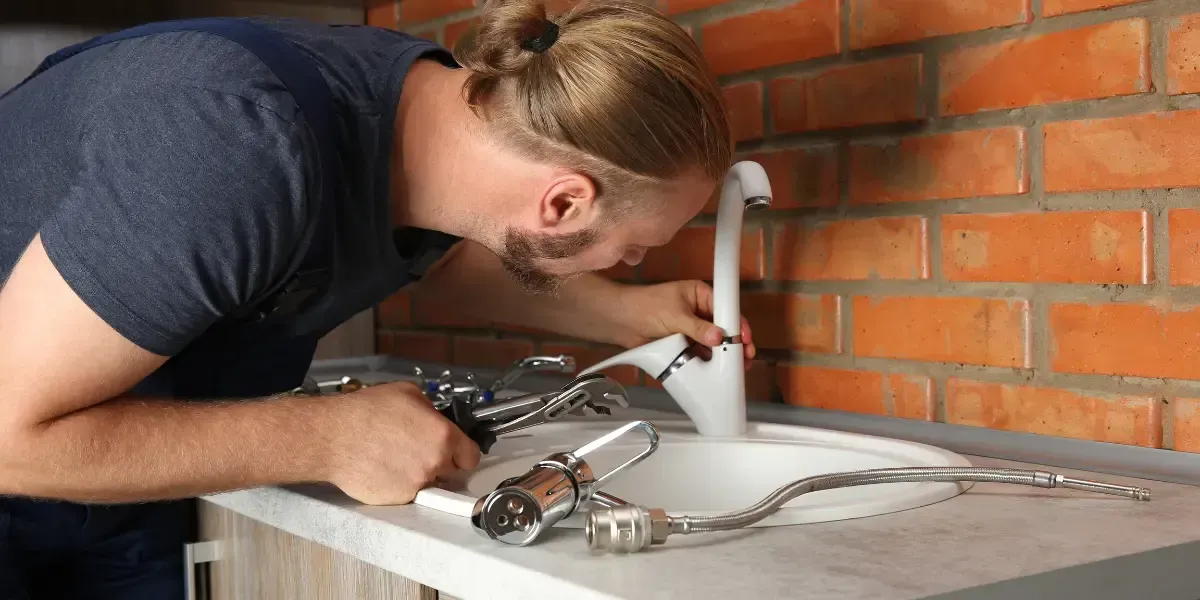
Choosing the right faucet and fixture installation service means finding a plumber who can install your fixtures safely and correctly, without leaks or damage. The best company should have hands-on plumbing experience, clear pricing, quality materials, and a process for testing every fixture before the job is complete.
A faucet or fixture may look simple, but poor installation can lead to loose fittings, water waste, hidden leaks, damaged countertops, low water pressure, or early fixture failure. Whether you are updating a kitchen faucet, replacing bathroom hardware, installing a shower fixture, or improving your home’s water efficiency, the right installer makes a major difference.
Key Takeaways
- Choose a licensed and experienced plumber for safer, cleaner installation.
- Make sure the installer understands your exact fixture type and layout.
- Ask what is included in the estimate before approving the work.
- Quality parts and proper sealing help prevent leaks and future repairs.
- A reliable plumber should test the fixture before leaving your home.
What Should You Look for in a Faucet and Fixture Installation Service?
The right faucet and fixture installation service should offer more than basic plumbing labor. A good plumber evaluates the existing connections, checks the fixture style, confirms compatibility, and explains whether any repairs or adjustments are needed before installation begins.
If you are searching for faucet and fixture installation near me, look for a provider that can handle the full process from start to finish. This includes removing the old fixture, preparing the plumbing connections, installing the new faucet or fixture, sealing the area properly, checking water flow, and confirming there are no leaks.
For homeowners planning fixture upgrades, professional faucet and fixture installation services can help improve daily function, reduce water waste, and refresh the look of a kitchen, bathroom, laundry area, or outdoor plumbing setup.
Experience With Different Fixture Types Matters
Not every fixture installs the same way. A single-handle kitchen faucet, widespread bathroom faucet, wall-mounted fixture, shower valve, tub spout, hose bib, or low-flow fixture can require different tools, fittings, and installation steps.
An experienced plumber should know how to work with:
- Kitchen faucets
- Bathroom sink faucets
- Showerheads and tub fixtures
- Outdoor faucets and hose bibs
- Utility sink fixtures
- Low-flow and water-saving fixtures
- Replacement handles, valves, and trim
This matters because the wrong installation approach can damage finishes, stress supply lines, or cause leaks beneath sinks and behind walls. A qualified faucet and fixture installation contractor can also identify old shut-off valves, corrosion, loose connections, or worn supply lines before they become bigger problems.
Make Sure the Fixture Matches Your Plumbing Setup
One common mistake homeowners make is buying a fixture before checking whether it matches the current sink, countertop, wall opening, or plumbing connections. A faucet may look perfect in the store but still be incompatible with the number of holes, spacing, mounting style, or supply line configuration in your home.
Before installation, a plumber should confirm:
- The number of mounting holes
- Faucet spread and fixture dimensions
- Hot and cold supply line condition
- Water shut-off valve access
- Sink or countertop clearance
- Drain and pop-up assembly compatibility
- Whether additional adapters or parts are needed
This step helps prevent delays, extra costs, and poor fitment. If your project involves upgrading several fixtures at once, working with a professional faucet and fixture installation company can help keep the process organized and efficient.
Why Quality Parts and Proper Techniques Are Important
A clean installation depends on both the fixture and the materials used. Quality supply lines, washers, cartridges, mounting hardware, gaskets, and sealants all affect how long the fixture performs properly.
A professional installer should avoid shortcuts such as over-tightening connections, reusing worn parts, skipping sealants where needed, or failing to test water flow. Over-tightening can crack fittings or damage finishes, while loose connections can lead to slow leaks that may not be noticed right away.
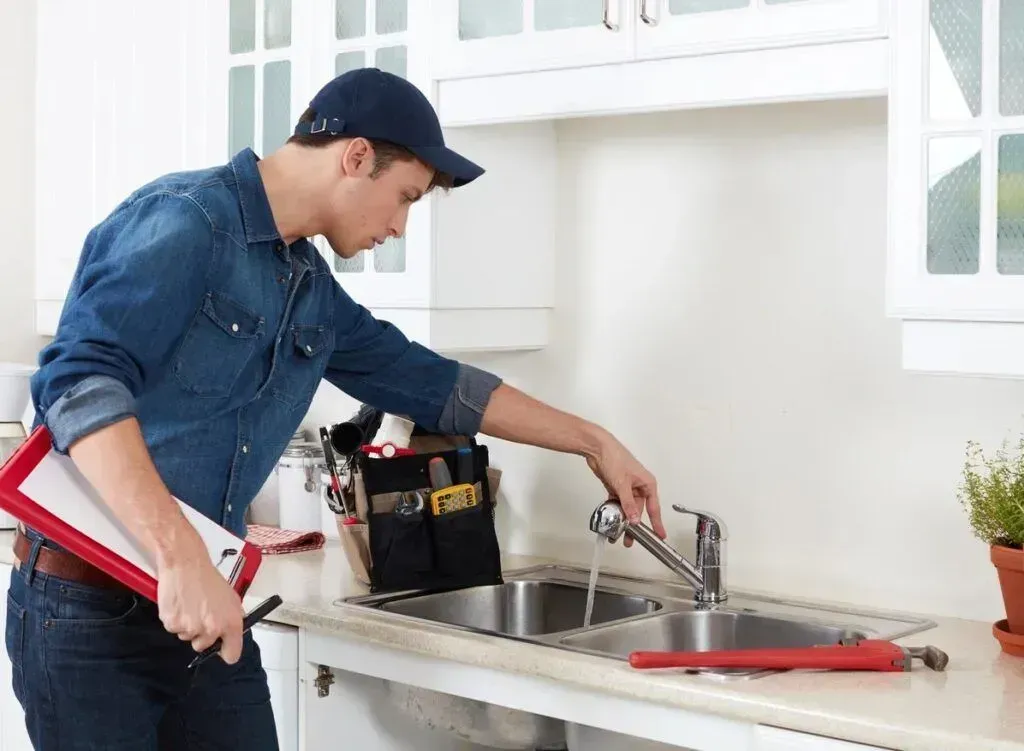
For kitchen faucet installation, the plumber should also check sprayer function, handle movement, water temperature balance, and clearance around the sink. For bathroom fixture installation, the installer should confirm proper sealing, drainage, water flow, and alignment so the finished result looks good and works correctly.
Ask These Questions Before Hiring a Plumber
Before choosing a contractor, ask direct questions to understand the service, cost, and quality of work.
Good questions include:
- Do you install the type of faucet or fixture I purchased?
- Can you supply fixtures if I have not bought one yet?
- Is removal of the old fixture included?
- Are parts, labor, cleanup, and testing included in the estimate?
- Do you check for leaks after installation?
- What happens if there is a problem after the job is done?
- Can you inspect old shut-off valves or supply lines during the visit?
These questions help you avoid unclear pricing and incomplete service. They also show whether the plumber is focused on long-term results, not just a quick installation.
Common Faucet and Fixture Installation Mistakes to Avoid
Even a small fixture mistake can create expensive plumbing problems. Homeowners should be cautious about DIY installation or hiring someone who does not specialize in plumbing.
Common mistakes include:
- Buying a fixture that does not fit the existing sink or wall setup
- Forgetting to shut off the water correctly
- Damaging old shut-off valves
- Over-tightening nuts, hoses, or fittings
- Using poor-quality adapters or supply lines
- Skipping leak checks after installation
- Ignoring low water pressure or poor flow
- Leaving old corrosion or mineral buildup unaddressed
A professional plumber can spot issues that may not be obvious at first. That includes hidden moisture, aging connections, unstable mounting surfaces, and fixture problems that could affect water efficiency.
Suggested Article: Faucet and Fixture Repairs Made Easy for Homeowners
How Mike's Plumbing & Rooter Service Can Help You
Mike’s Plumbing & Rooter Service helps homeowners with professional faucet installation, fixture replacement, faucet repair, and plumbing upgrades for kitchens, bathrooms, showers, and outdoor areas. The team can inspect the existing setup, remove old fixtures, install new ones, check for leaks, and make sure everything works properly before the job is complete.
The company serves local communities including Windsor, Santa Rosa, Healdsburg, Cloverdale, and Sonoma County, helping homeowners improve plumbing function and update fixtures with dependable workmanship.
Why Choose Mike’s Plumbing & Rooter Service
Mike’s Plumbing & Rooter Service brings over 20 years of plumbing experience to faucet and fixture projects. That experience is important because installation quality affects water flow, fixture performance, leak prevention, and the life of the plumbing connections behind the fixture.
Homeowners choose the company for practical help with fixture upgrades, leak concerns, worn hardware, old plumbing connections, and everyday plumbing improvements. The goal is to make the process clear, efficient, and reliable from the first inspection to the final test.
Conclusion
The right faucet and fixture installation service should leave your home with fixtures that look good, work properly, and do not create plumbing problems later. If your current faucet is leaking, outdated, loose, corroded, or ready for an upgrade, professional installation can save time and protect your home.
Call Mike’s Plumbing & Rooter Service at
(707) 953-2371 or
click here to schedule faucet and fixture service with a team that installs fixtures the right way.
Frequently Asked Questions
How long does faucet and fixture installation take?
A simple faucet replacement may take one to two hours, depending on the condition of the existing plumbing. More complex fixture installations, corroded parts, or hard-to-access connections may take longer.
Should I buy the faucet before calling a plumber?
You can, but it is often smart to confirm compatibility first. A plumber can help make sure the fixture fits your sink, countertop, wall opening, supply lines, and overall plumbing setup.
What is included in professional faucet and fixture installation?
Professional service may include removing the old fixture, preparing the area, connecting the new fixture, replacing needed parts, sealing properly, testing hot and cold water, and checking for leaks.
Can a plumber install both kitchen and bathroom fixtures?
Yes. A plumber can usually install kitchen faucets, bathroom faucets, shower fixtures, tub fixtures, utility sink fixtures, and outdoor faucets, depending on the service offered.
When should I hire a faucet and fixture installation contractor instead of doing it myself?
Hire a professional if you notice corrosion, old shut-off valves, leaking supply lines, unusual fittings, low water pressure, or if the fixture is expensive or difficult to install. A licensed plumbing professional can help prevent leaks, water damage, and costly mistakes.