Guide to Bathroom Faucet and Fixture Installation at Home
Upgrading your bathroom can improve daily comfort, reduce leaks, support better water efficiency, and create a cleaner, more updated look. Bathroom faucet and fixture installation involves safely removing old bathroom hardware and installing new faucets, handles, showerheads, tub fixtures, drains, or related plumbing components.
A simple faucet swap may seem easy, but installation quality matters. A loose connection, poor seal, mismatched supply line, or skipped leak test can create water damage behind vanities, under sinks, or around bathroom flooring.
Key Takeaways
- Bathroom faucet and fixture installation can improve function, appearance, and water efficiency.
- DIY installation may work for simple replacements, but plumbing issues can appear once you remove old parts.
- Professional installation helps prevent leaks, poor water pressure, and fixture damage.
- Homeowners should always test connections, drains, shut-off valves, and seals before finishing the job.
- A licensed bathroom faucet and fixture installation contractor can help protect the home from avoidable plumbing problems.
What Is Bathroom Faucet and Fixture Installation?
Bathroom faucet and fixture installation includes replacing or upgrading bathroom sink faucets, tub faucets, showerheads, handles, drains, valves, and related fixture components. It may also involve checking shut-off valves, supply lines, water pressure, mounting holes, drain alignment, and seals.
This service is common during bathroom remodels, leak repairs, vanity replacements, and fixture upgrades. Homeowners may also schedule installation when they want a more modern faucet, a water-saving model, a hands-free fixture, or hardware that better matches the bathroom design.
For homeowners looking for bathroom faucet and fixture installation services, the right installation should do more than make the fixture look good. It should keep water flowing properly, prevent leaks, protect surrounding materials, and help the fixture last longer.
When Should You Replace Bathroom Faucets and Fixtures?
You may need new bathroom fixtures if your current faucet leaks, squeaks, drips, rusts, stains easily, or no longer matches your bathroom. Don't ignore even small faucet issues, because water can slowly damage cabinets, drywall, flooring, and subflooring.
Common signs include:
- Constant dripping from the faucet
- Low or uneven water pressure
- Rust, corrosion, or mineral buildup
- Loose handles or wobbling fixtures
- Water pooling under the sink
- Cracked seals around the fixture base
- Outdated fixtures during a bathroom upgrade
If you are searching for bathroom faucet and fixture installation near me, the issue is usually already affecting comfort, appearance, or plumbing reliability. A professional plumber can inspect the current setup and recommend whether repair or replacement makes more sense.
Tools and Materials Used for Fixture Installation
A basic bathroom faucet replacement often requires:
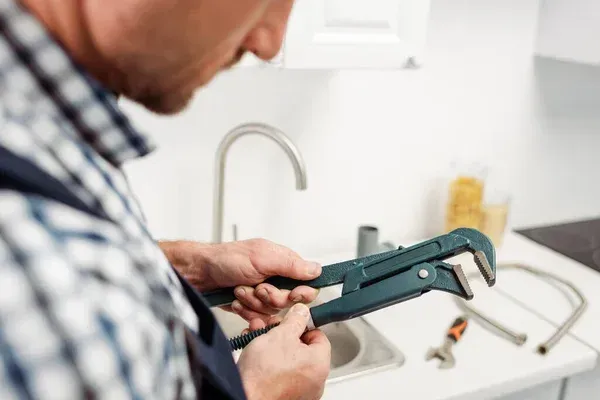
- Adjustable wrench
- Basin wrench
- Plumber’s tape
- Screwdrivers
- Bucket and towels
- Silicone sealant
- Plumber’s putty when appropriate
- New faucet or fixture
- Flexible supply lines
- Replacement drain parts if needed
The challenge is not just having the tools. It is knowing when old valves, worn supply lines, damaged mounting hardware, or mismatched fittings should be replaced before installing the new fixture.
Step-by-Step Guide to Bathroom Faucet and Fixture Installation
1. Turn Off the Water Supply
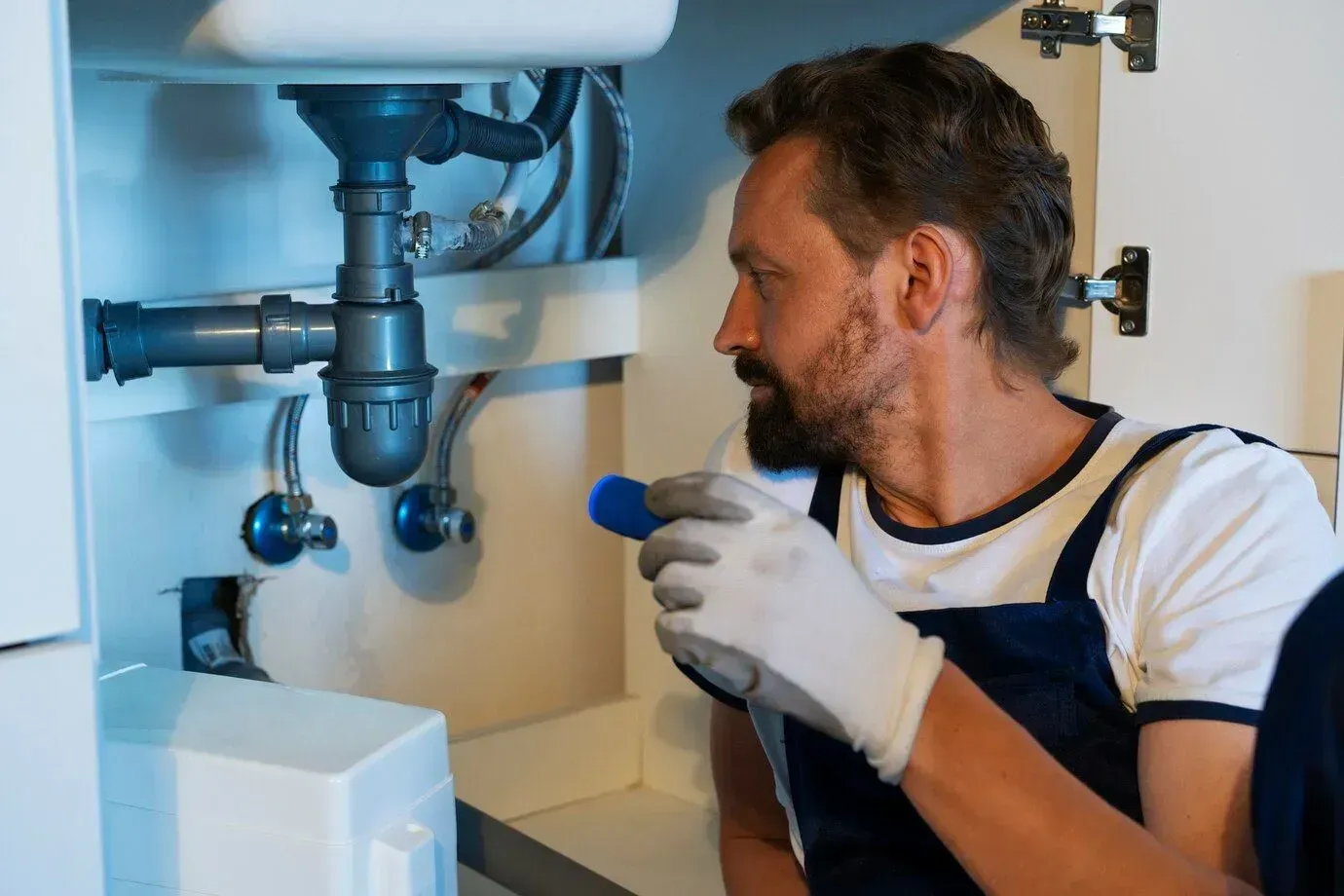
Shut off the hot and cold water valves under the sink before removing anything. Open the faucet to release pressure and drain leftover water from the lines.
2. Remove the Old Faucet or Fixture
Disconnect the supply lines, loosen the mounting nuts, and carefully remove the old fixture. If parts are corroded or stuck, avoid forcing them because that can damage the sink, vanity, or plumbing connections.
3. Clean and Inspect the Area
Clean old putty, silicone, grime, and mineral buildup from the sink or countertop. Check the mounting holes, drain opening, shut-off valves, and visible supply lines before placing the new fixture.
4. Install the New Faucet
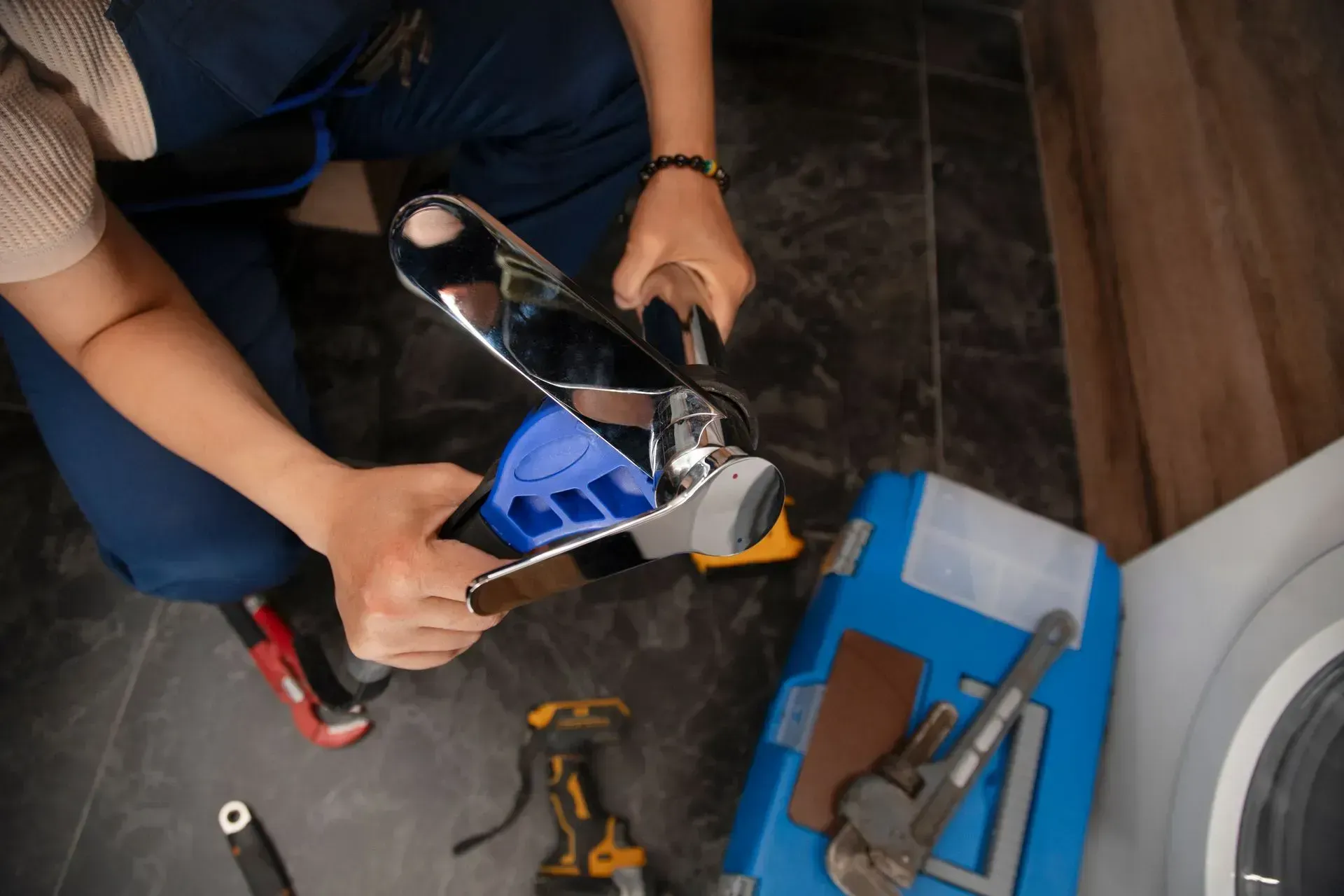
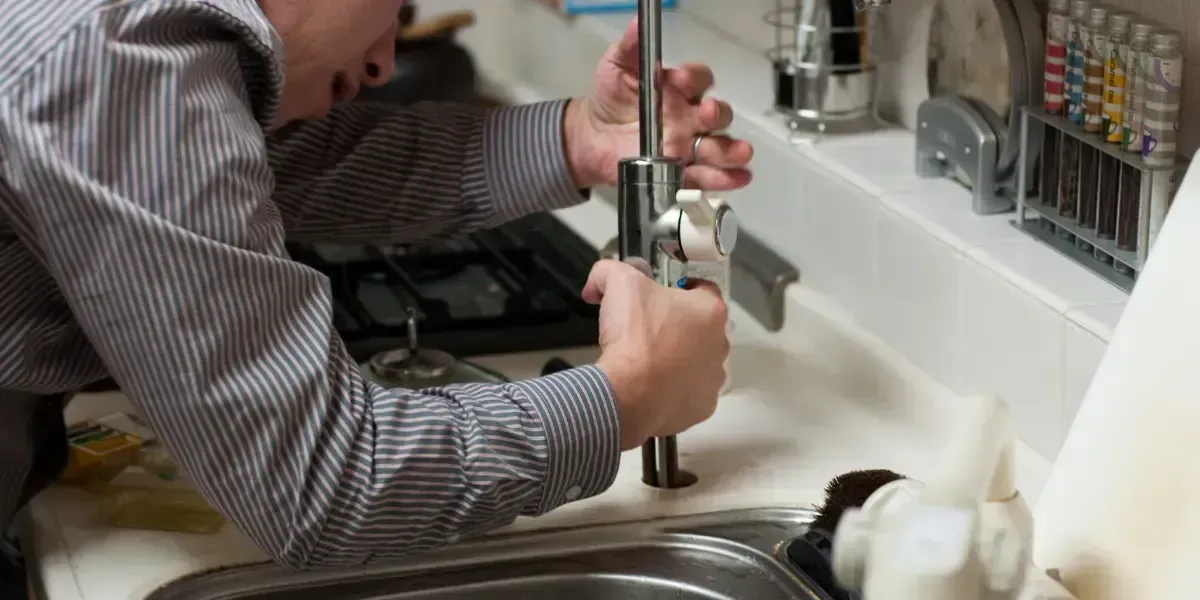
Position the new faucet according to the manufacturer’s instructions. Secure it evenly from below, making sure the fixture sits straight and does not wobble.
5. Connect the Supply Lines
Connect the hot and cold water lines carefully. Use plumber’s tape where appropriate, but do not overtighten. Too much pressure can damage threads, washers, or fittings.
6. Test for Leaks
Turn the water back on slowly and inspect every connection. Run hot and cold water, check under the sink, test the drain, and dry the area so even small leaks are easier to spot.
Common Mistakes to Avoid
One of the most common mistakes is skipping the leak test. Even a small drip can become a cabinet, flooring, or mold problem over time. Another mistake is overtightening supply lines, which can crack fittings or damage threads.
Homeowners should also avoid using the wrong sealant. Plumber’s tape is used for threaded connections, while silicone or putty may be used in certain sealing areas depending on the fixture and the manufacturer's instructions.
If the fixture does not line up correctly, water may splash outside the sink, handles may feel uneven, or the drain assembly may not seal properly. A careful installation helps avoid these problems from the start.
Should You DIY or Hire a Professional?
DIY may be reasonable for a straightforward replacement if the plumbing is newer, the shut-off valves work, and the new fixture matches the existing holes. However, older plumbing, corroded parts, leaking valves, low water pressure, and drain alignment issues can quickly turn a simple project into a bigger repair.
Hiring a bathroom faucet and fixture installation company is often the better choice when you want the job completed cleanly, quickly, and correctly. A plumber can spot hidden problems, replace worn parts, test the system, and help prevent future leaks.
Suggested Article: How to Choose the Right Faucet and Fixture Installation Service
How Mike's Plumbing & Rooter Service Can Help You
Our team helps homeowners with faucet installation, fixture replacement, fixture repair, leak concerns, low water pressure, loose handles, bathroom sink fixtures, tub fixtures, showerheads, and modern fixture upgrades.
Whether the project involves a basic faucet replacement or a larger bathroom update, Mike’s Plumbing and Rooter Service focuses on clean artistry, secure connections, proper testing, and practical recommendations. We can also help determine whether your current fixture can be repaired or should be replaced.
Why Choose Mike’s Plumbing and Rooter Service
Homeowners choose us for our 20+ years of plumbing experience, licensed service, local knowledge, and dependable craftsmanship on every job. Our plumbers understand the needs of homes throughout Santa Rosa, Windsor, Healdsburg, Cloverdale, Sebastopol, and Sonoma County.
As a local bathroom faucet and fixture installation contractor, we focus on clear communication, honest service, and reliable results. From small faucet replacements to urgent bathroom plumbing problems, our goal is to do the job right and help prevent repeat issues.
Conclusion
A bathroom upgrade should look good, work properly, and stay leak-free. If your faucet is dripping, your fixture is outdated, or your bathroom plumbing needs professional attention, call (707) 953-2371 or visit our site to schedule service.
A properly installed fixture protects your home, improves daily comfort, and gives your bathroom a cleaner, more reliable finish.
Frequently Asked Questions
How long does bathroom faucet installation take?
Most standard bathroom faucet installations take about 1 to 2 hours for a professional plumber. More complex projects may take longer if shut-off valves, drains, supply lines, or fixture openings need adjustment.
Can I install a bathroom faucet myself?
Yes, some homeowners can install a basic faucet themselves. However, hiring a plumber is safer if the plumbing is older, parts are corroded, water pressure is poor, or leaks are already present.
What fixtures can be replaced in a bathroom?
Common bathroom fixture replacements include sink faucets, tub faucets, showerheads, handles, drain assemblies, valves, and related hardware. Some projects may also involve supply lines or shut-off valves.
Should old supply lines be reused?
It is usually better to replace old supply lines during installation. New supply lines help reduce the risk of leaks and give the new fixture a more reliable connection.
When should I call a plumber for faucet or fixture installation?
Call a plumber if you notice leaks, rust, low water pressure, loose fixtures, damaged valves, or water under the sink. Professional bathroom faucet and fixture installation helps protect your home and ensures the fixture works correctly.