How Much Does Sewer Line Replacement Cost? A Complete 2025 Guide
If you have been noticing slow drains, sewage backups, or foul odors around your property, your sewer line could be the culprit. One of the first questions homeowners ask when facing this situation is: how much does sewer line replacement cost?
In this complete 2025 guide, we will cover everything you need to know about sewer line replacement costs, the factors that influence pricing, the different methods available, and how to save money on this major home repair. By the end, you will have a clear understanding of what to expect and how to prepare.
Key Takeaways
- The average cost of sewer line replacement in 2025 ranges between $3,500 and $15,000 depending on factors like method, materials, and location.
- Traditional dig-and-replace methods cost $50–$250 per linear foot, while trenchless options range from $80–$200 per foot.
- The main cost influencers include sewer line length, accessibility, material type, and local labor rates.
- Trenchless replacement is less invasive and faster, often saving money on landscape restoration.
- Regular maintenance and comparing quotes can significantly reduce long-term sewer line expenses.
Average Cost of Sewer Line Replacement in 2025
The cost of sewer line replacement in 2025 varies depending on several factors. On average, homeowners in the United States can expect to pay between $3,500 and $15,000 for a full sewer line replacement. The final cost depends on the length of the line, the replacement method used, accessibility, materials, and local labor costs.
Here are typical price ranges:
- Traditional dig and replace sewer line replacement: $50 to $250 per linear foot
- Trenchless sewer replacement such as pipe bursting or lining: $80 to $200 per linear foot
- Main sewer line replacement: $4,000 to $12,000
These figures are averages and may vary depending on your home and location.
Factors That Influence Sewer Line Replacement Cost
Understanding the cost drivers behind sewer line replacement helps homeowners anticipate expenses more accurately.
Length of the Sewer Line
The length of the sewer line directly impacts cost. Residential sewer lines are usually 20 to 100 feet long. The longer the line, the higher the overall cost.
Replacement Method
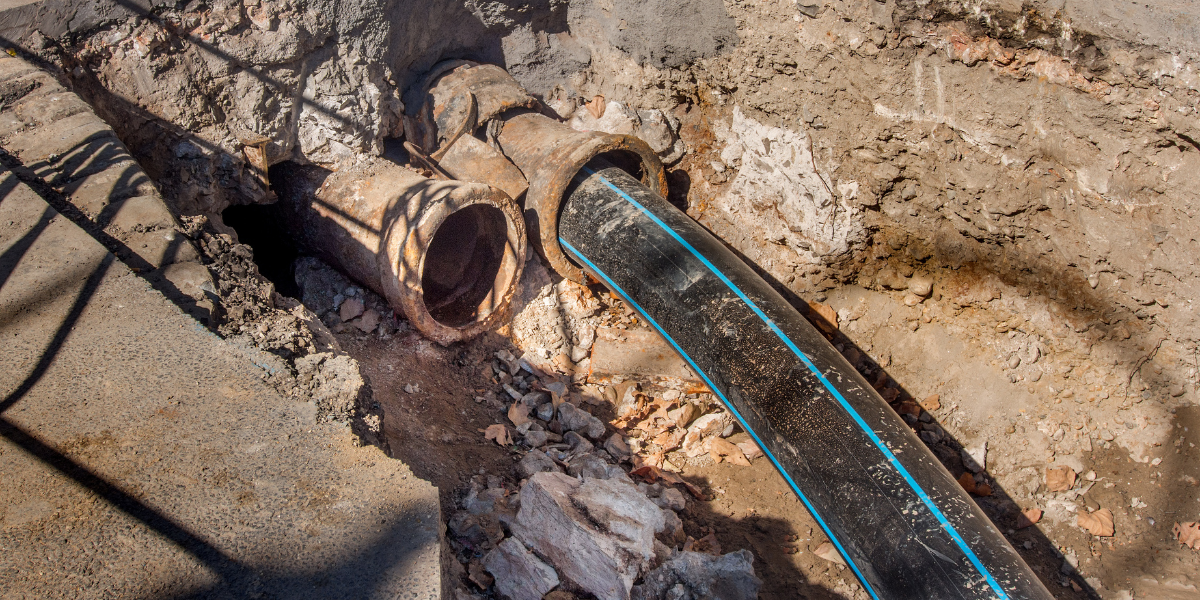
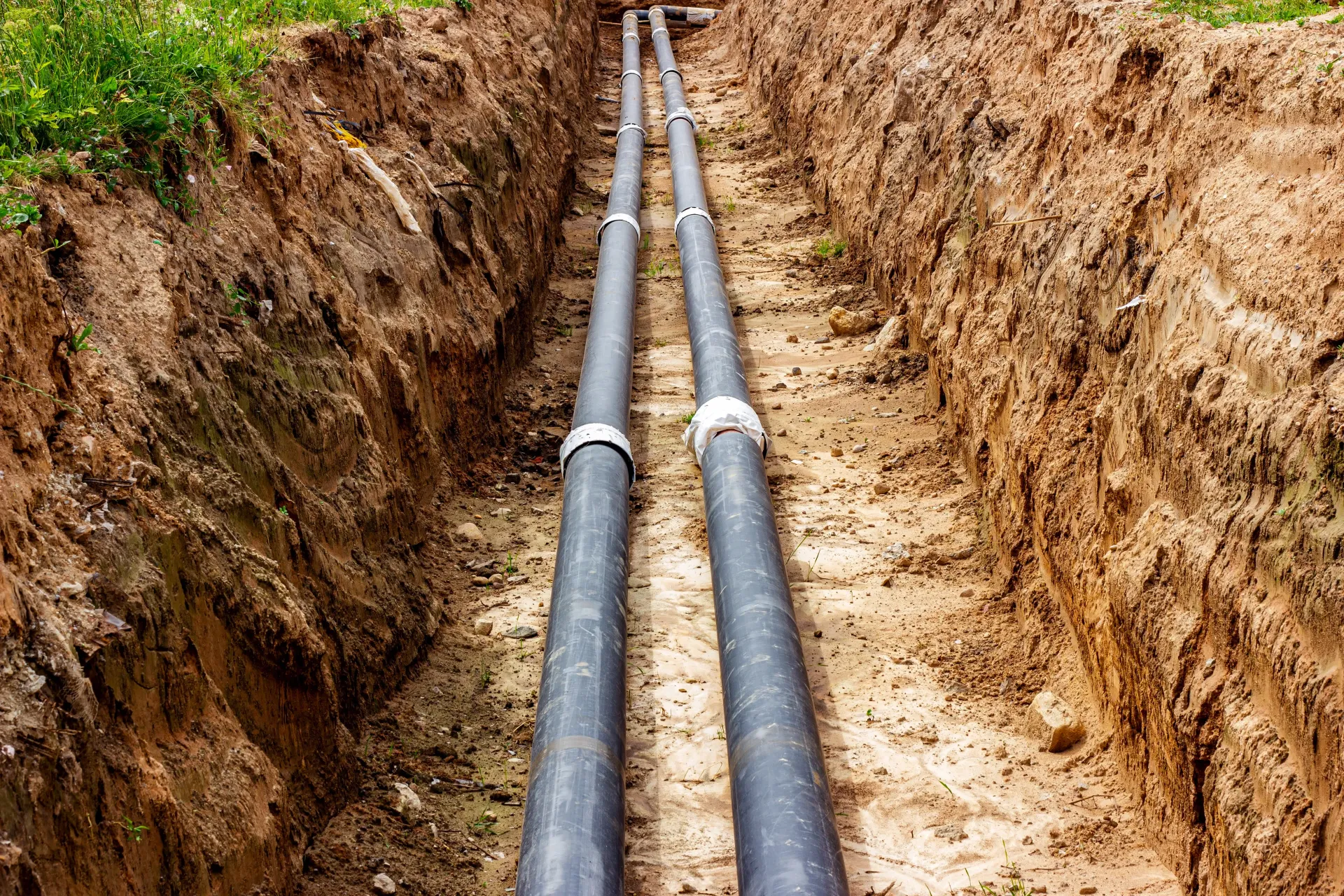
- Traditional excavation requires digging trenches to remove and replace the old pipe. It is reliable but more disruptive and labor-intensive.
- Trenchless methods like pipe bursting and pipe lining use existing access points, which minimizes digging and speeds up the process.
Pipe Material
PVC and ABS pipes are usually more affordable compared to cast iron or clay. Each material has different durability and cost levels.
Accessibility and Landscaping
If the sewer line runs beneath a driveway, patio, or landscaped yard, expect higher costs due to additional restoration work.
Local Labor Rates
Labor costs vary significantly by region. Homeowners in urban areas generally pay more than those in rural areas.
Permits and Inspections
Most cities require permits for sewer line replacement. Permit fees can range from $200 to $1,000, depending on your location.
Signs You Might Need Sewer Line Replacement
Catching sewer problems early can save you thousands of dollars. Here are common signs that your sewer line may need replacement:
- Frequent sewage backups or clogs
- Consistently slow draining throughout the house
- Gurgling sounds from toilets or drains
- Foul sewer odors inside or outside the home
- Patches of overly green or lush grass in the yard
- Sinkholes, wet spots, or soft soil in your yard
If you notice one or more of these symptoms, schedule an inspection with a licensed plumber.
Sewer Line Repair vs. Replacement
Not all sewer line issues require a full replacement. In some cases, a repair is enough.
- Repair is suitable for small cracks or localized damage. Sewer line repair costs range from $1,000 to $4,000.
- Replacement is necessary when pipes are collapsed, severely corroded, or extensively damaged. While more costly, replacement ensures long-term reliability and prevents recurring problems.
Trenchless vs. Traditional Sewer Line Replacement
Traditional Sewer Line Replacement
Traditional replacement requires digging trenches along the entire pipe. It is effective but labor-intensive. This method usually disrupts landscaping and hardscaping, such as driveways and sidewalks. Although the material cost is lower, restoration adds to the expense.
Trenchless Sewer Line Replacement
Trenchless methods are less invasive. Using existing entry points, plumbers can install a new line without extensive digging. Trenchless methods are often completed in just one or two days. While upfront costs are slightly higher, they often save homeowners money by avoiding landscape restoration.
Cost-Saving Tips for Sewer Line Replacement
Sewer line replacement is a significant investment, but there are ways to manage the cost.
- Get multiple quotes to compare services and pricing.
- Ask about trenchless methods since they can reduce restoration costs.
- Check your insurance coverage because some policies cover sewer line damage.
- Schedule regular maintenance to catch small issues before they escalate.
- Hire a trusted local plumber to ensure quality work and long-term savings.
Suggested Article: Top Warning Signs of a Sewer Line Leak at Home
How Mike's Plumbing & Rooter Service Can Help You
When facing sewer line problems, you need a plumber you can trust. That is where Mike's Plumbing & Rooter Service comes in.
Why Choose Mike's Plumbing & Rooter Service
- Experienced team: Skilled plumbers with years of hands-on experience in sewer line repair and replacement.
- Modern technology: Offering trenchless sewer repair and replacement to minimize disruption to your property.
- Transparent pricing: Clear estimates with no hidden fees.
- 24/7 emergency services: Because sewer problems do not wait for business hours.
- Local knowledge: Dedicated to serving the community with tailored solutions for homeowners.
Mike's Plumbing & Rooter Service ensures reliable, efficient, and affordable plumbing solutions so your home remains safe and functional.
Conclusion
So, how much does sewer line replacement cost in 2025? The answer depends on several factors, including line length, replacement method, materials, and accessibility. On average, homeowners spend between $3,500 and $15,000. Trenchless methods are becoming increasingly popular since they reduce disruption and can lower overall costs.
While the cost may feel overwhelming, sewer line replacement is a critical investment in your home’s comfort, safety, and value. If you suspect sewer issues, do not wait for them to worsen. Contact
Mike's Plumbing & Rooter Service for a professional inspection and expert guidance on the best solution for your home.
Frequently Asked Questions
What are the most common signs that I need sewer line replacement?
Common signs include frequent clogs, slow drains, gurgling noises, foul odors, and unusually lush grass patches in your yard. Wet spots or sinkholes also suggest possible line damage. If these occur, it’s wise to have a licensed plumber inspect your sewer system before the problem worsens.
What’s the difference between sewer line repair and full replacement?
Repair typically addresses minor damage, such as cracks or localized leaks, and costs between $1,000 and $4,000. Replacement is necessary for collapsed or severely corroded pipes. While it’s more expensive, replacement provides a long-term fix and prevents recurring plumbing issues.
How does trenchless sewer line replacement work?
Trenchless replacement uses existing access points to install a new line without extensive digging. Methods like pipe bursting or lining minimize disruption and usually finish within a couple of days. Though the upfront cost is higher, homeowners save on restoration and labor.
Does insurance help cover sewer line replacement costs?
Some homeowner’s insurance policies cover sewer line replacement if the damage is sudden and accidental. Coverage typically excludes wear and tear or neglect. It’s best to review your policy or consult your insurer to understand what’s included.
How long will my new sewer line last?
Modern PVC or ABS pipes can last between 50 and 100 years, while cast iron pipes generally last 50 to 75 years. Longevity depends on soil conditions, installation quality, and regular maintenance. Investing in quality materials and professional installation ensures maximum durability.