Tips on How to Clean Sink Drain to Avoid Costly Clogs
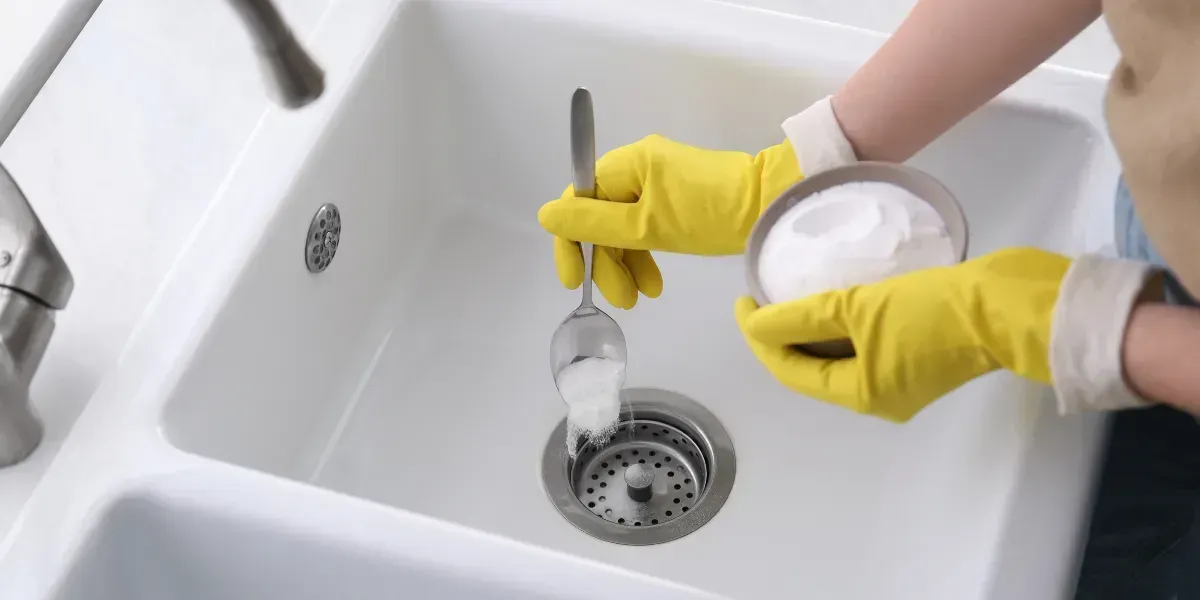
Knowing how to clean sink drain areas properly can help homeowners prevent slow drainage, bad odors, standing water, and expensive plumbing repairs. The best approach is to clean the drain regularly, avoid sending grease or debris into the pipe, and call a professional when buildup keeps returning.
For homes across Sonoma County, where Santa Rosa is the county seat and largest city, sink drains work hard every day in kitchens, bathrooms, laundry rooms, and utility areas. Because local homes range from older properties near established Santa Rosa neighborhoods to newer homes across Windsor, Rohnert Park, Healdsburg, and Sebastopol, drain care should be simple, consistent, and safe for the plumbing system.
Key Takeaways
- Routine sink drain cleaning helps prevent buildup before it turns into a full clog.
- Avoid pouring grease, coffee grounds, food scraps, and thick products into any sink.
- Natural cleaning methods can help with odor and light residue, but they cannot fix every blockage.
- Recurring slow drains may point to deeper clogged sink drain issues in the line.
- Professional help is the safest choice when home methods stop working.
Why Sink Drains Clog Over Time
Sink drains usually clog because small materials collect inside the pipe little by little. In kitchen sinks, grease, soap residue, food particles, and oils can stick to the pipe walls. In bathroom sinks, hair, toothpaste, shaving cream, soap scum, and cosmetic products often create sticky buildup.
These problems may start small, but they can eventually restrict water flow. That is why regular plumbing drain maintenance matters. A sink that drains slowly today may become a sink that backs up tomorrow.
For homeowners in California’s Wine Country, where Sonoma County is known for more than 350 wineries, busy households, rental properties, and guest-ready homes often depend on reliable kitchen and bathroom plumbing. Keeping drains clear is one way to protect comfort and avoid inconvenient repairs.
Step 1: Remove Visible Debris First
Before using any cleaner, remove anything you can see near the drain opening. Pull out food scraps, hair, soap buildup, or debris around the drain cover.
For bathroom sinks, remove the stopper if possible and wipe away hair or residue. For kitchen sinks, clear the strainer and rinse it thoroughly. This simple step supports better bathroom sink drain cleaning and kitchen drain care because many clogs begin close to the surface.
Avoid pushing debris deeper into the drain. If the material is easy to reach, remove it by hand using gloves, paper towels, or a small cleaning brush.
Step 2: Flush the Drain With Hot Water
Hot water can help loosen soap residue, light grease, and mild buildup. Slowly pour hot water into the drain in stages, allowing a few seconds between each pour.
This method is especially useful for basic kitchen sink drain cleaning, but it should be done carefully. Do not use boiling water if the sink has PVC pipes or if you are unsure about the plumbing materials. Very hot water may soften or stress certain pipe connections.
For best results, use hot tap water and repeat the flush once or twice. This can help move loose material through the line before it hardens.
Step 3: Use Baking Soda and Vinegar for Light Odors
A natural drain cleaning method can help freshen a sink and break down light residue. Pour baking soda into the drain, followed by vinegar. Let the mixture fizz for several minutes, then rinse with hot water.
This can be a helpful natural drain cleaner option for mild odors and light buildup. However, it should not be treated as a guaranteed clog remover. If water is already backing up, bubbling slowly, or not draining at all, the clog may be deeper in the pipe.
Never mix vinegar, baking soda, or any household cleaner with chemical drain products. Combining products can create unsafe reactions.
Step 4: Try a Plunger for Slow Drains
A sink plunger can help move soft clogs. Make sure there is enough water in the sink to cover the rubber cup, then create a tight seal over the drain. Push and pull several times firmly.
For double-basin kitchen sinks, cover the other drain opening while plunging. For bathroom sinks, block the overflow opening with a wet cloth so the pressure stays inside the drain.
This step may help with a clogged sink drain, especially when the blockage is close to the drain opening. If plunging does not improve the flow, avoid forcing the issue repeatedly. Too much pressure can loosen old connections or worsen a hidden problem.
Step 5: Clean the P-Trap When Needed
The P-trap is the curved pipe under the sink. It holds water to block sewer gases, but it can also collect debris. If the sink still drains slowly, cleaning the P-trap may help.
Place a bucket under the pipe, loosen the fittings carefully, and remove the trap. Clear out buildup, rinse the pipe, and reconnect it securely. Afterward, run water and check for leaks.
This step can be useful, but not everyone is comfortable removing plumbing parts. If the fittings are corroded, stuck, leaking, or difficult to access, it is safer to call a licensed plumber.
How Often Should You Clean a Sink Drain?
Most homeowners should clean sink drains once a month to help prevent sink clogs. Kitchen sinks may need more frequent care if the household cooks often or uses the garbage disposal regularly.
Bathroom sinks should also be cleaned often because hair and soap scum build up quickly. A consistent schedule is better than waiting until water stops draining.
In Sonoma County, which includes the Santa Rosa-Petaluma metropolitan area and sits in the northern part of the San Francisco Bay Area, many homeowners balance older plumbing systems, hard-working kitchens, and active family routines. Preventive drain care helps reduce unnecessary stress on those systems.
What Not to Put Down a Sink Drain
Avoid sending these items into the sink:
- Cooking grease, fats, and oils
- Coffee grounds
- Eggshells
- Rice, pasta, and flour-based foods
- Paint or construction debris
- Hair and dental floss
- Thick soaps, lotions, and cosmetic products
Even if some materials seem harmless, they can collect inside pipes and create sticky buildup. Good drain cleaning tips start with prevention.
When DIY Drain Cleaning Is Not Enough
Home methods can help with light buildup, but they are not always enough. Call a professional if:
- The sink keeps clogging after cleaning
- Water backs up into another fixture
- There is a sewer odor near the drain
- Multiple drains are slow at the same time
- The sink gurgles after use
- The P-trap or drainpipe is leaking
These signs may indicate a deeper blockage, venting issue, sewer line problem, or damaged pipe. Professional inspection can help identify the real cause instead of guessing.
Suggested Article: How to Find the Best Sewer and Drain Service Near Me
How Mike's Plumbing & Rooter Service Can Help You
When basic cleaning does not solve the problem, Mike’s Plumbing & Rooter Service can inspect the issue and recommend the right solution. We handle drain concerns, sewer and drain services, leak detection, faucet and fixture problems, emergency plumbing, water heaters, tankless water heaters, and sewer line replacement.
With more than 20 years of plumbing experience, our team understands how to find the cause of recurring drain problems instead of only treating the surface symptom. For homeowners who need help with how to clean sink drain problems that keep coming back, professional service can save time, reduce mess, and help prevent costly damage.
Why Choose Mike’s Plumbing & Rooter Service
Mike’s Plumbing & Rooter Service is a family-owned plumbing company serving Santa Rosa, Windsor, Healdsburg, Rohnert Park, Sebastopol, Cloverdale, Mark West Springs, Geyserville, Jimtown, and surrounding Sonoma County communities.
Customers choose us because we offer reliable communication, honest service, practical plumbing solutions, and experienced support for both routine maintenance and urgent repairs. Our team focuses on clear assessments, fair recommendations, and dependable workmanship.
Conclusion
Do not wait for a slow sink to become a costly plumbing problem. If home cleaning methods are not working or the clog keeps coming back,
visit our site or call our team at
(707) 953-2371 for dependable plumbing support in Sonoma County and surrounding areas. We can help inspect the issue, clear the drain safely, and keep your plumbing system working the way it should.
Frequently Asked Questions
What is the best way to clean a sink drain naturally?
The best natural method is to remove visible debris, flush the drain with hot water, then use baking soda and vinegar for light odor and residue. This helps freshen the drain but may not clear a serious clog.
How often should I clean my sink drain?
Most sink drains should be cleaned once a month. Kitchen sinks and bathroom sinks that are used heavily may need more frequent cleaning to prevent buildup.
Can I pour grease down the sink if I use hot water?
No. Grease may look liquid when hot, but it can cool, harden, and stick inside the pipes. Wipe grease into the trash instead.
Why does my sink still smell after cleaning?
A bad smell may come from trapped food, bacteria, dry drain traps, or deeper buildup in the pipe. If odor keeps returning, a plumber should inspect the drain.
When should I call a plumber for a clogged sink?
Call a plumber if the sink keeps clogging, drains very slowly, backs up, smells like sewer gas, or affects other drains in the home. These signs may point to a deeper plumbing issue.