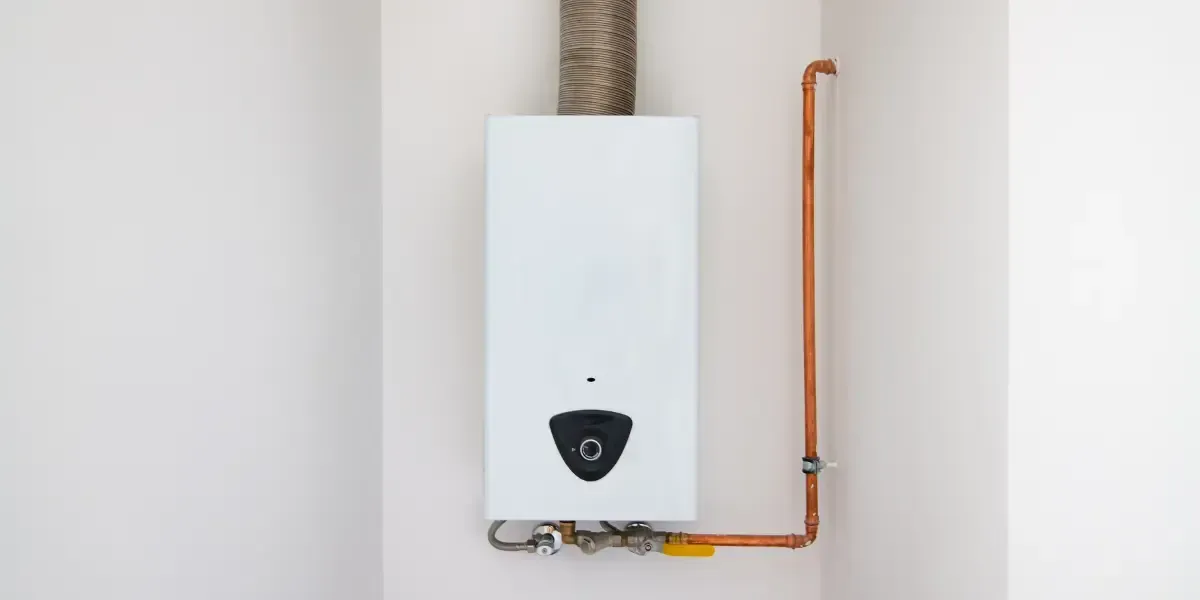
Top Causes of a Water Heater Leaking and How to Fix Them
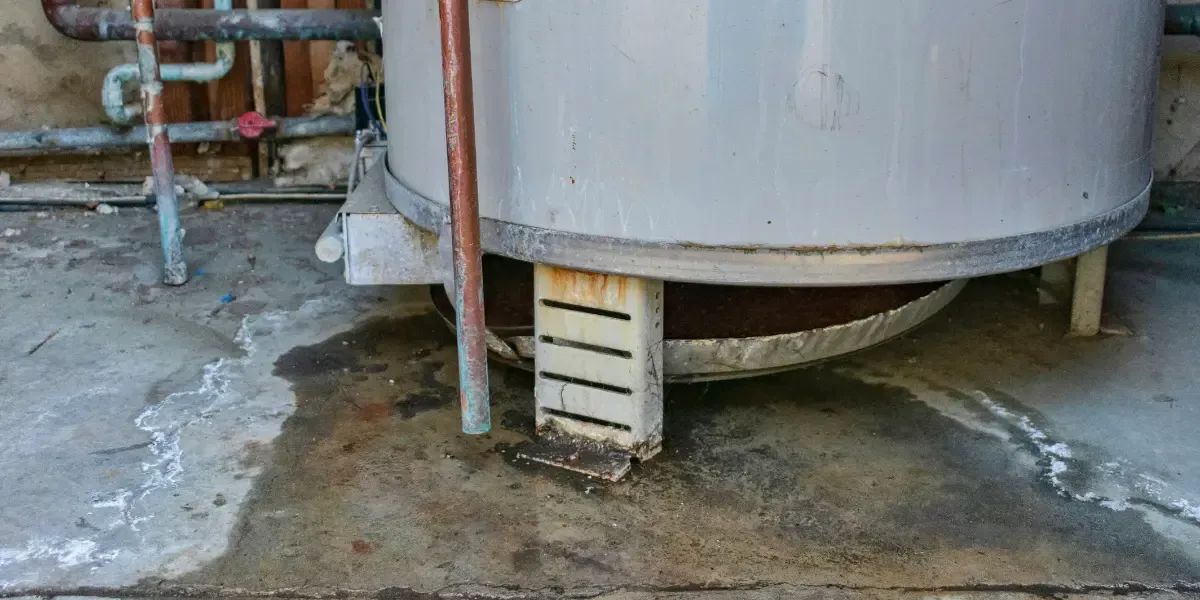
A water heater leaking issue usually happens because of a worn valve, loose pipe connection, tank corrosion, high water pressure, or sediment buildup. The safest first step is to shut off the water supply, turn off the power or gas source, and identify where the leak is coming from before attempting any repair.
For homeowners in Santa Rosa, the county seat of Sonoma County, a leaking water heater can quickly become a serious household problem, especially when moisture spreads near flooring, walls, garages, or utility closets.
Key Takeaways
- A leak from the top of the unit often points to loose water connections or failing fittings.
- A leak near the bottom may be caused by a faulty drain valve, sediment buildup, or tank corrosion.
- High water pressure can stress the tank, valves, and plumbing connections.
- A leaking tank body usually means replacement is safer than repair.
- Fast inspection helps prevent water damage, mold, and loss of hot water.
Why Is My Water Heater Leaking?
A leaking water heater can have several causes, and the location of the water often gives the first clue. Water near the top of the tank may come from pipe fittings, while water pooling below the unit may point to a valve issue or internal tank failure.
In Sonoma County, where communities include Santa Rosa, Windsor, Healdsburg, Rohnert Park, Sebastopol, Cloverdale, Geyserville, and Mark West Springs, homes can vary widely in age and plumbing setup. That makes a careful inspection important before deciding whether the unit needs repair or replacement.
Common Causes of a Leaking Water Heater
1. Loose Inlet or Outlet Connections
The cold-water inlet and hot-water outlet are located near the top of most tank-style water heaters. If either connection becomes loose, worn, or corroded, water may drip down the side of the tank and look like a larger leak.
In many cases, this can be fixed by tightening or replacing the affected fitting. However, if corrosion is present around the connection, a plumber should inspect it before the issue spreads.
For homeowners looking for water heater leaking services, a professional inspection can confirm whether the leak is coming from a simple connection problem or a more serious tank issue.
2. Faulty Temperature and Pressure Relief Valve
The temperature and pressure relief valve, also called the T&P valve, is a safety feature that releases water when heat or pressure inside the tank gets too high. If this valve is leaking, it may be defective, or it may be doing its job because the system pressure is unsafe.
This valve should never be capped, blocked, or ignored. A plumber can test the pressure, inspect the valve, and determine whether the valve itself needs replacement.
3. Leaking Drain Valve
The drain valve sits near the bottom of the tank and is used during flushing or maintenance. If it becomes loose, cracked, or worn out, water may drip from the valve area.
A small drip from the drain valve may seem minor, but it can slowly damage floors or nearby storage items. If the valve does not close properly, replacement may be needed.
Homeowners searching for water heater leaking services nearby often need help identifying whether the leak is from the drain valve or the tank itself.
4. Sediment Buildup Inside the Tank
Over time, minerals in the water can settle at the bottom of the tank. This sediment can harden, trap heat, create popping noises, and put stress on the tank lining.
In areas near Santa Rosa Creek, which flows through Sonoma County and drains toward the Laguna de Santa Rosa, managing water-related home maintenance is especially important because moisture problems can worsen quickly when leaks go unnoticed.
Routine flushing can help reduce sediment buildup and improve water heater performance. If sediment has already damaged the tank, repair may not be enough.
5. Tank Corrosion
If water is leaking directly from the tank body, corrosion may be the cause. This is one of the most serious water heater problems because once the inner tank lining fails, the unit usually cannot be repaired safely for long-term use.
Warning signs of corrosion include rusty water, a metallic smell, moisture near the base, or visible rust on the tank. If the unit is older, replacement is often the best solution.
A licensed water heater leaking services contractor can check whether corrosion is limited to a valve or fitting, or whether the tank itself has failed.
6. High Water Pressure
Water pressure that is too high can strain the water heater, supply lines, fixtures, and valves. This can cause recurring leaks even after smaller parts are replaced.
A plumber can test the home’s water pressure and recommend a pressure-reducing valve or expansion tank if needed. This is especially helpful when leaks happen repeatedly in different parts of the plumbing system.
What Should You Do When a Water Heater Starts Leaking?
If you notice water around the heater, act quickly but carefully:
- Turn off the cold-water supply valve.
- Shut off the breaker for an electric water heater.
- Turn the gas control to off if the unit is gas-powered and it is safe to do so.
- Move nearby belongings away from the leak.
- Call a licensed plumber if water continues to spread.
If the leak is active or causing damage, emergency plumbing support may be needed. For urgent help, homeowners can learn more about water heater leaking services near me and request service before the problem gets worse.
Can a Leaking Water Heater Be Repaired?
A leaking water heater can sometimes be repaired if the problem comes from a valve, fitting, supply line, or pressure issue. However, if the tank is cracked, rusted, or leaking from the body, replacement is usually the safer option.
Repair may be possible when:
- The leak comes from the T&P valve.
- The drain valve is damaged.
- A pipe connection is loose.
- The pressure needs adjustment.
- The unit is still in good overall condition.
Replacement may be better when:
- The tank is over 8–12 years old.
- The leak comes from the tank body.
- Rust is visible around the base.
- Hot water runs out quickly.
- Repairs are becoming frequent.
A trusted water heater leaking services company can explain the condition of the unit and help homeowners decide between repair and replacement.
Suggested Article: How to Detect Where a Water Leak Is Coming From
How Mike’s Plumbing & Rooter Service Can Help You
Mike’s Plumbing & Rooter Service can inspect the water heater, locate the source of the leak, and explain the best repair option before work begins. We help with leaking valves, damaged fittings, pressure concerns, sediment-related issues, and full water heater replacement when the tank is no longer safe to use.
We also provide plumbing support across Santa Rosa, Windsor, Healdsburg, Rohnert Park, Sebastopol, Cloverdale, Geyserville, Mark West Springs, and nearby Sonoma County communities.
Why Choose Mike’s Plumbing & Rooter Service
Mike’s Plumbing & Rooter Service is a family-owned plumbing company with more than 20 years of experience serving local homeowners. Our team provides honest recommendations, clear communication, and dependable service for routine plumbing work and urgent repair needs.
We understand how quickly a small water heater leak can affect a home. That is why we focus on careful inspection, practical repair options, and responsive service when homeowners need help most.
Call Today for Water Heater Leak Repair in Sonoma County
Do not wait for a small leak to become major water damage. If your water heater is leaking, call Mike’s Plumbing & Rooter Service at (707) 953-2371 for reliable plumbing help. To schedule service,
click here.
Frequently Asked Questions
What is the most common reason a water heater leaks?
The most common causes include loose connections, a faulty T&P valve, a leaking drain valve, high water pressure, or tank corrosion. The leak location usually helps identify the problem.
Is a leaking water heater dangerous?
It can be. Water can damage flooring and walls, while gas or electrical components may create safety risks. The unit should be turned off and inspected as soon as possible.
Can I fix a leaking water heater myself?
Some minor issues, such as a slightly loose connection, may look simple, but water heaters involve pressure, heat, gas, or electricity. A licensed plumber is the safest choice for diagnosis and repair.
How do I know if my water heater needs replacement?
Replacement may be needed if the tank is rusted, leaking from the body, older than 8–12 years, or no longer producing enough hot water.
How can I prevent future water heater leaks?
Routine maintenance, flushing sediment, checking valves, testing water pressure, and replacing aging units before failure can help reduce the risk of future leaks.